
Overview
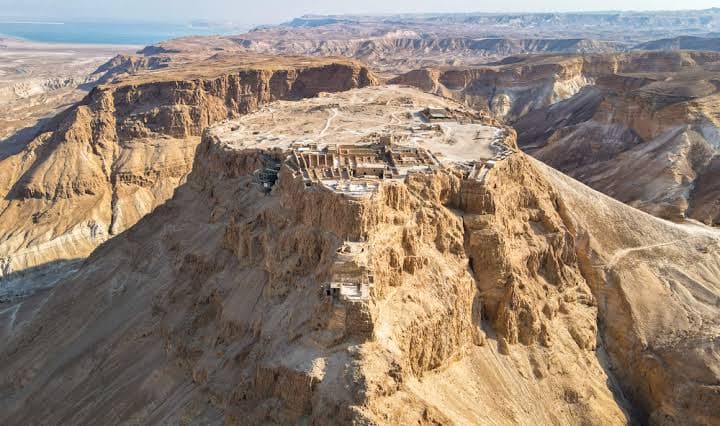
Qumran lies beneath the cliffs of the Judean Desert near the north-western Dead Sea.
Biblical significance
Qumran itself is not named in Scripture. Its importance comes from manuscripts preserving portions of almost every Old Testament book and providing an extraordinary window into Jewish life and Scripture around the time of Jesus.
Historical background
The site is commonly connected with a Jewish community living there during the late Second Temple period. Beginning in 1947, ancient manuscripts were discovered in nearby caves — collectively known as the Dead Sea Scrolls.
What you will see
Excavated communal buildings, ritual baths, water systems, desert landscape and views towards the scroll caves. The park also has museum interpretation and a film presentation.