
Overview
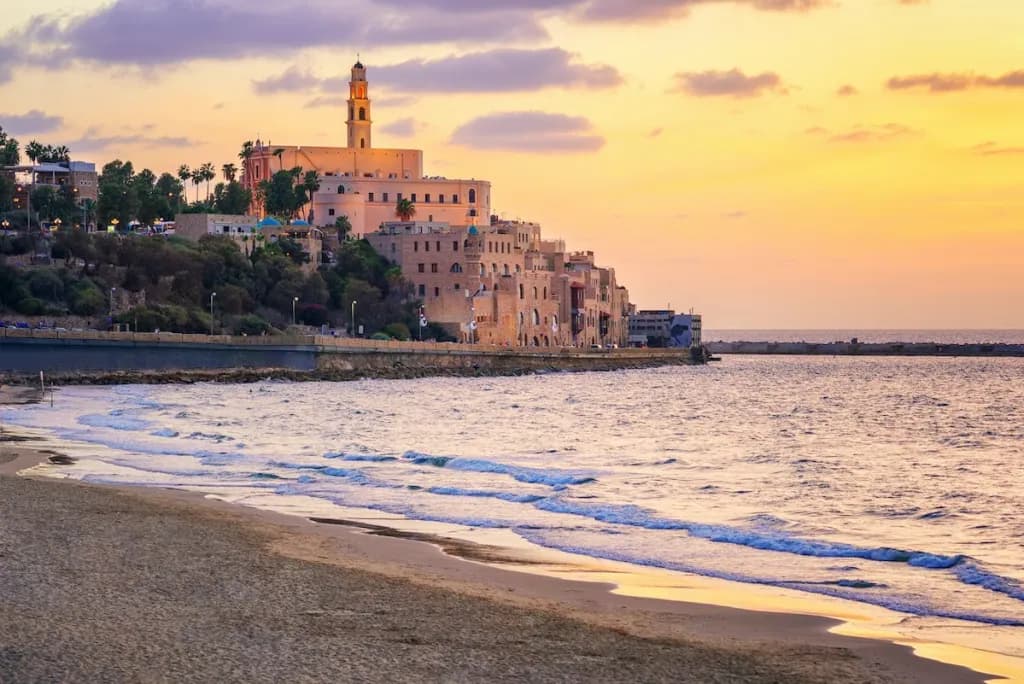
Caesarea Maritima combines extensive Roman ruins with a dramatic Mediterranean setting. Its theatre, harbour, hippodrome and palace remains reveal the scale and sophistication of Herod's coastal city.
Biblical significance
The book of Acts repeatedly returns to Caesarea. Philip ministered here, Cornelius received Peter and became central to the Gospel's movement to the Gentiles, and Paul was imprisoned here before appealing to Caesar.
Historical background
Herod the Great developed Caesarea into a major Roman-style city and harbour. It later became the administrative capital of Roman Judea and the residence of governors.
What you will see
Visitors can see the Roman theatre, harbour remains, hippodrome, palace area, archaeological displays, aqueduct and broad views along the Mediterranean coast.